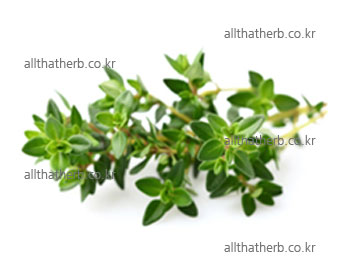
Linalool's aroma is softer and woodier than thyme ct. thymol. With its soothing scent and gentle touch, this variety of thyme can help cleanse germs while treating skin and mucous membranes tenderly.
Botanical Name:Thymus vulgaris
Note:Middle Note Part of the Plant:Leaves and Tops Country of Origin:Spain Extraction Method:Steam Distilled
Aromas: Woody, spicy, green scent
Thyme essential oil is an aromatic oil extracted from the leaves and flowers of the common herb thyme (Thymus vulgaris), which belongs to the mint family. The commonly used white thyme oil is actually red thyme oil that has been filtered and redistilled, resulting in an almost colorless oil with a milder aroma and gentler effects. Due to its lower phenol content, white thyme oil is generally considered safer to use than red thyme oil. Rich in antibacterial and expectorant properties, thyme essential oil is a versatile remedy for various respiratory conditions, helping to clear mucus and phlegm, relieve nasal congestion, and ease chest tightness.
Primary Benefits:
Fight carcinogenesis
Treat acne
Support cardiac health
타임 에센셜오일은 민트과에 속하는 일반 허브인 타임 식물(Thymus vulgaris)의 잎과 꽃에서 추출한 방향성 오일입니다. 일반적으로 사용되는 화이트 타임은 사실 레드 타임 에센셜오일을 여과하고 재증류한 것으로, 거의 무색에 가까우며 향이 더 부드럽고 효과도 순한 편입니다. 페놀 함량이 낮아 화이트 타임 오일은 레드 타임보다 일반적으로 더 안전하게 사용됩니다. 항균 및 거담 특성이 풍부한 타임 에센셜오일은 다양한 호흡기 질환에 효과적인 만능 치료제로, 점액과 가래를 제거하여 코막힘을 완화하고 가슴의 답답함을 덜어줍니다.
에센셜오일이란?
허브란 ‘향이 있으면서 몸에 유용한 식물’을 총칭하며 허브를 건드렸을 때 외부 물질이나 해충으로부터 자기 자신을 보호하기 위해 에센스를 발산하는데 이 향기는 사람에게 유익하다고 합니다. 허브과 식물의 꽃이나 잎, 줄기, 나무 등에서 추출한 아로마 오일을 이용한 것을 아로마테라피요법이라고 하고 이러한 오일은 매우 농축된 성분으로 인체에 사용 시 많은 주의를 요하기 때문에 에센셜 오일’(Essential oil)이란 용어를 사용하고 있습니다.우리가 일상생활 속에서 스트레스를 받거나 피곤할 때 피부가 거칠어지고 수면장애 등을 겪기도 하는데 이런 경우 아로마테라피를 실시하면 심신의 건강과 활력 뿐만 아니라 미용 효과도 함께 높일 수 있습니다.
에센셜오일 활용법!
* 흡입법 :에센셜오일 1~2방울을 티슈나 손수건, 베개에 떨어 뜨려 사용합니다. : 콧물, 멀미, 두통, 불면증에 적용 아로마램프에 에센셜오일 3~4방울을 사용합니다.: 실내공기 정화, 방향, 불면증, 우울증 등 심리적인 문제에 적용
* 마시지법 : 5~10% 블렌딩하여 국소적인 피부에 적용하거나 신체적 이완, 피로감 해소, 노화방지, 피부미용에 전신 또는 국소에 적용합니다.
* 습포법 : 적용 부위에 타올로 도포해 줍니다. 온습포 - 더운 물 100ml에 에센셜오일 1방울을 사용합니다. : 노인성 관절염, 근육통, 상처치료, 생리통, 어깨 결림 냉습포 - 차가운 물 100ml에 에센셜오일 1방울을 사용합니다. : 삔 데, 진통, 염증이나 열이 나는 경우
*향수나 디퓨져로 사용 : 에센셜 오일 원액을 5 ~30% 까지 가감하여 적용할 수 있습니다 (향수 디퓨져 만드는 법을 참고해 주세요)
Avoid putting oils into your nose, inner ears, eyes, broken skin, or other sensitive areas.
코, 귀, 눈, 상처 난 피부 또는 기타 민감한 부위에 오일을 바르지 마세요.
Pregnant women should avoid ingesting and topically applying undiluted essential oils throughout pregnancy. Instead, try inhaling essential oils or adding them to a diffuser.
임산부는 임신 기간 동안 희석되지 않은 에센셜 오일을 섭취하거나 바르는 것을 피해야 합니다. 대신, 에센셜 오일을 흡입하거나 디퓨저에 넣어 사용하세요.
To minimize skin sensitivity, dilute essential oils using a carrier oil.
피부 민감도를 최소화하려면 캐리어 오일을 사용하여 에센셜 오일을 희석하세요.
Make sure to store essential oils out of reach of children. You’ll also want to keep your oils away from excessive light or heat, as this can alter the chemical properties of an essential oil significantly.
에센셜 오일은 어린이의 손이 닿지 않는 곳에 보관하세요. 또한 에센셜 오일의 화학적 특성을 크게 바꿀 수 있으므로 과도한 빛이나 열로부터 오일을 멀리하는 것이 좋습니다.
Always supervise essential oil application with your children. Because children have more delicate skin, it’s a good idea to dilute oils before applying them topically.
항상 어린 아이들에게 에센셜 오일 사용법에 대해 주의를 주세요. 아이들은 피부가 더 연약하기 때문에 오일을 희석하여 바르는 것이 좋습니다.
If you have specific health concerns, consult with your doctor before using essential oils.